 Contact Dr. Jeff
Menu☰
Home › Personal Injury Education
General education, not legal or medical advice
The medical side of a personal injury case, explained plainly.
Start here
After an accident, most people are handed two things at once: an injury and a process nobody explains. The treatment you get, how it’s documented and how your providers communicate all shape your recovery and the medical side of a personal injury case.
I’ve spent about 26 years on that medical side in Arizona, as a chiropractor, a provider operator and a partner to personal injury attorneys. This hub collects what I’ve learned, organized so you can find the answer you need fast.
This is general education, not legal or medical advice. See the disclaimer at the bottom of this page.
Learning Center
Practical insights to help you understand what happens after an injury, navigate treatment, and make informed decisions along the way.
01
What to do right after a crash, what symptoms to watch for in the days that follow and when to get checked out, even if you feel fine.
What Happens in the First 72 Hours After a Car Accident?
Coming soon
Common Mistakes People Make After a Car Accident
Coming soon
02
The best outcomes happen when medical providers and personal injury attorneys communicate well. Here’s how that should work, from both sides.
How Medical Providers and Personal Injury Attorneys Work Together
Coming soon
How Healthcare Providers Can Improve Personal Injury Case Communication
Coming soon
03
How personal injury treatment usually progresses, when a specialist may be needed and why stopping care early can cause problems.
What Personal Injury Patients Should Ask Before Starting Treatment
Coming soon
When an Injury May Require a Specialist
Coming soon
Why Gaps in Treatment Can Create Problems for an Injury Case
Coming soon
04
Your medical records tell the story of your injury. Here’s why consistent, accurate injury documentation after an accident matters, and what good records include.
Why Consistent Medical Documentation Matters After an Injury
Coming soon
What Personal Injury Attorneys Should Look for in Medical Documentation
Coming soon
Watch
Quick videos on the questions I hear most after an accident.
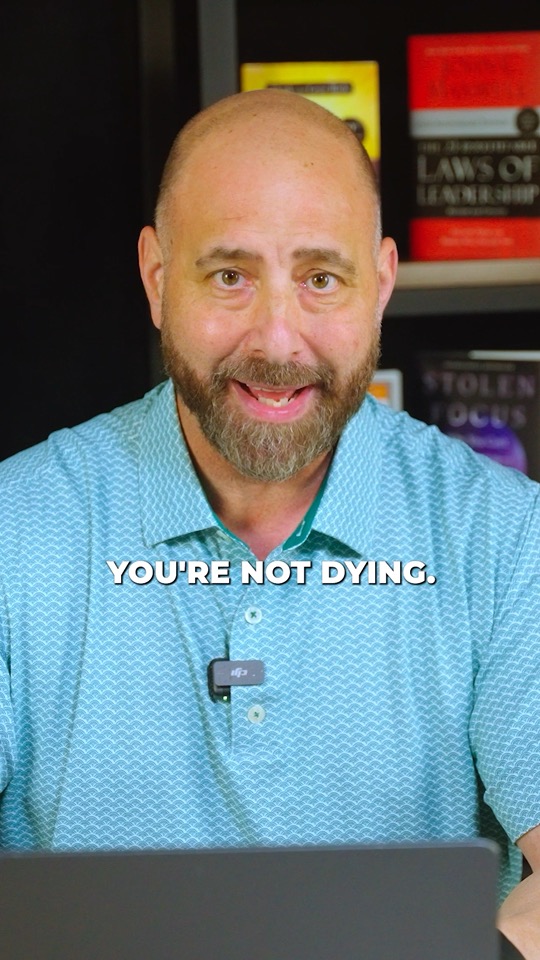
The ER Is Not Enough
After the crash
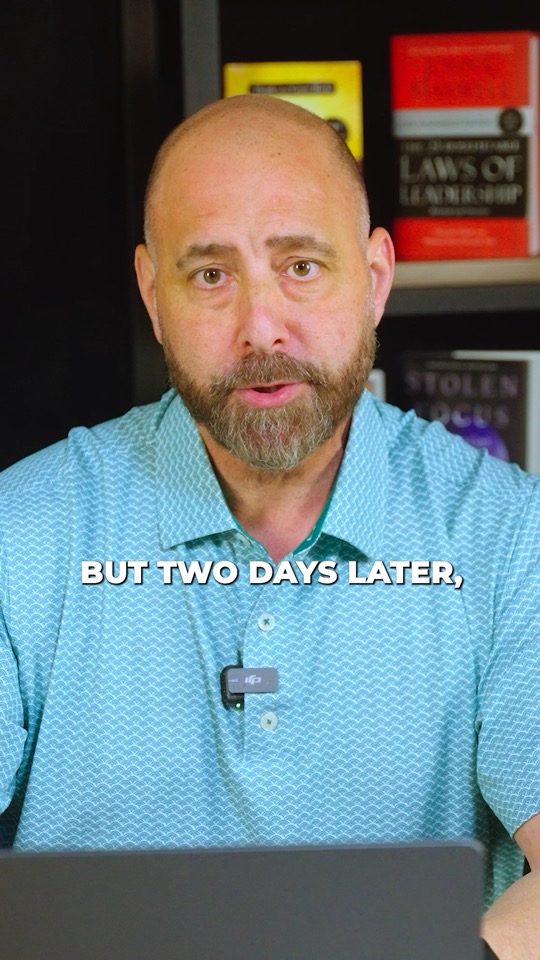
Toughing It Out
Delayed symptoms
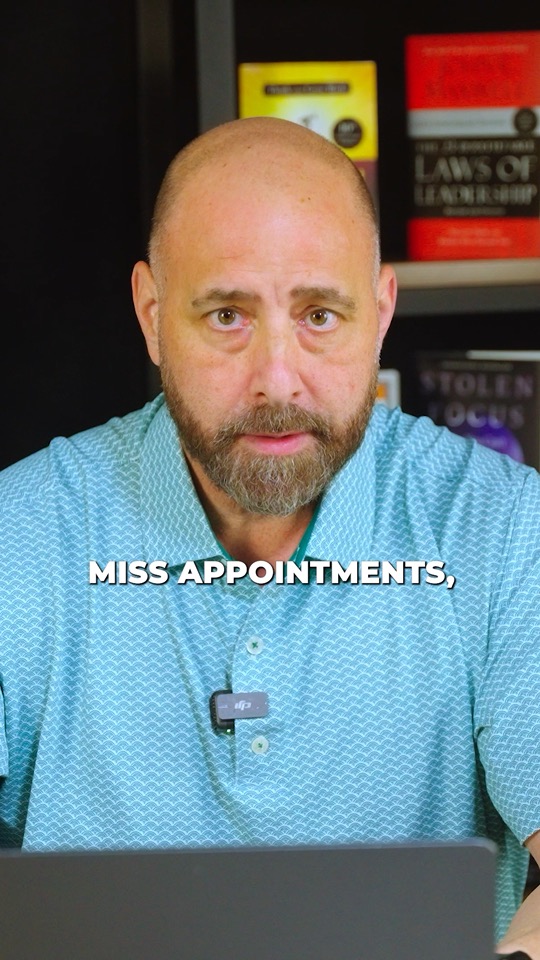
Gaps in Treatment
Treatment and recovery
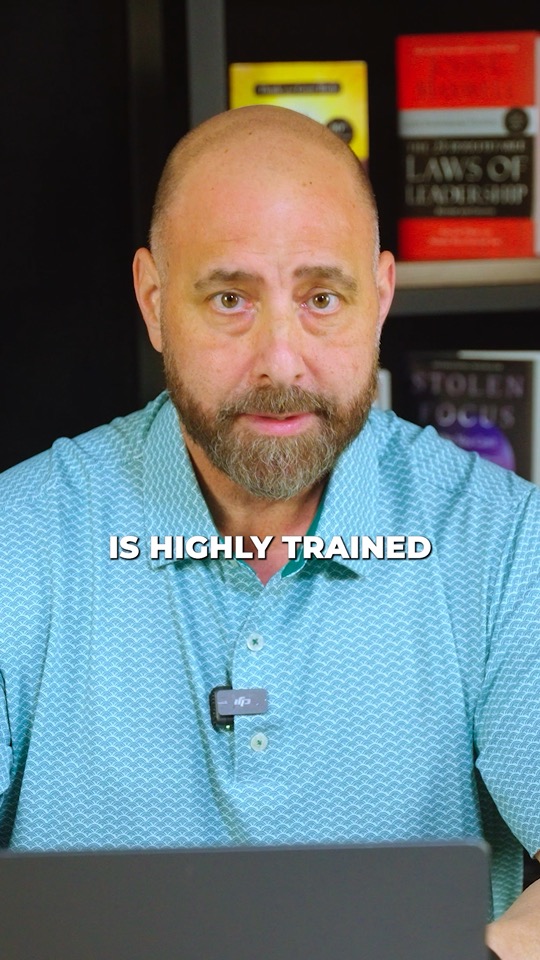
The Recorded Statement
Insurance calls

Police Reports
At the scene

Photographic Evidence
At the scene

Witness Information
At the scene

Social Media Spies
Days two and three
FAQ
How does medical care affect a personal injury case?
Medical records are often the main evidence of what an injury is and how it affected someone’s life. Timely care, consistent treatment and clear documentation help show the connection between the accident and the injury. Your attorney can explain how this applies to your specific case.
Should I see a doctor after a car accident if I feel okay?
It’s generally a good idea to get evaluated. Some injuries, like whiplash and concussions, may not cause obvious symptoms right away. If you have severe pain, trouble breathing, confusion or other emergency symptoms, call 911.
What is a gap in treatment?
A gap in treatment is a stretch of time where a patient stops receiving care they were prescribed, or waits a long time before starting. Gaps can make it harder to show how an injury progressed. If you need to pause care, talk with your provider and document why.
Can I choose my own doctor after an accident in Arizona?
In most situations, yes. Patients generally choose their own providers. If you have questions about how that choice interacts with insurance or your claim, ask your attorney.
Is Dr. Jeff giving legal advice?
No. Dr. Jeff shares medical-side education from his professional experience. For legal questions, speak with a licensed Arizona attorney.
Audience routing
Medical-side insight for your files.
For Attorneys →
A higher PI standard, and how to build a practice around it.
For Providers →
AZ Injury Doctors connects injured patients with independent providers across the state.
Visit AZ Injury Doctors ↗
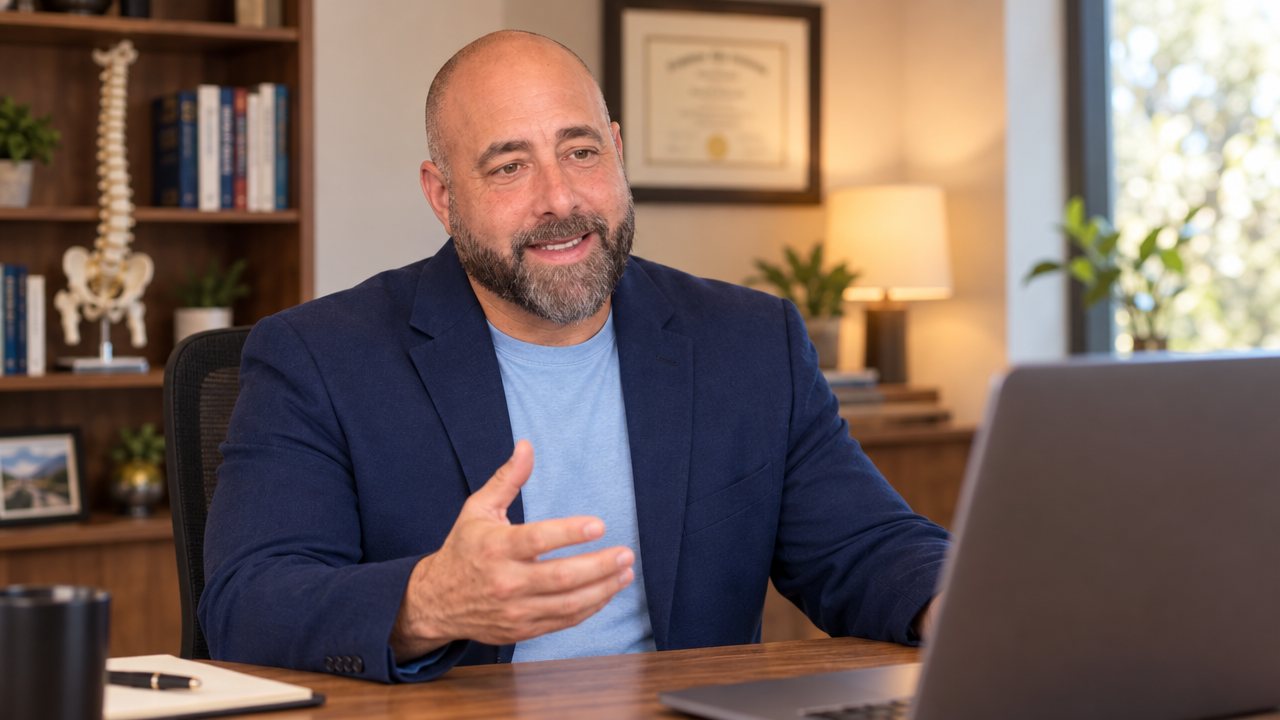
Written by Dr. Jeff Raiffie, founder of AZ Injury Doctors, with about 26 years of experience in personal injury healthcare.
The information on this site is for general educational purposes only. It is not legal advice or medical advice, and it doesn’t create a doctor-patient or attorney-client relationship. Every injury and every case is different. If you have a medical emergency, call 911. For legal questions, talk with a licensed attorney in your state.